Understanding the Anatomy of Legs and Glutes
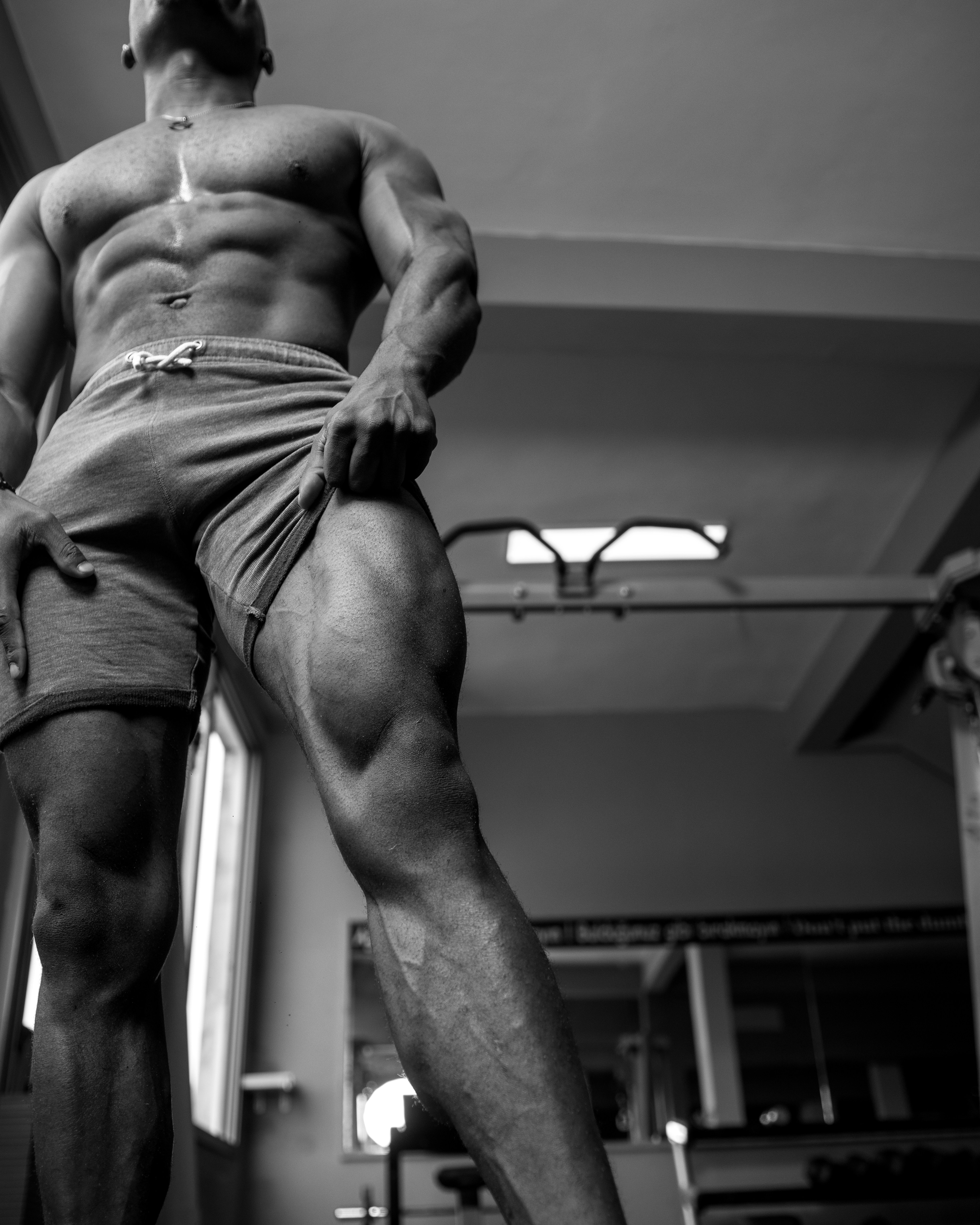
The legs and glutes play a pivotal role in our overall mobility, balance, and strength. Understanding the anatomy of these muscle groups is essential for anyone seeking to improve their fitness or performance in various physical activities. The major muscle groups in this area include the quadriceps, hamstrings, and the gluteus muscles, which can be further divided into the gluteus maximus, medius, and minimus.
The quadriceps, located at the front of the thigh, are crucial for extending the knee and are heavily engaged during exercises such as squats and lunges. This muscle group consists of four muscles: the rectus femoris, vastus lateralis, vastus medialis, and vastus intermedius. Strengthening the quadriceps not only enhances performance in sports but also aids in daily activities like walking and climbing stairs.
On the posterior side of the thigh, we find the hamstrings, which are comprised of three muscles: the biceps femoris, semitendinosus, and semimembranosus. These muscles work in conjunction with the quadriceps to facilitate knee flexion and hip extension. Maintaining a balance between the strength of the hamstrings and quadriceps is vital for preventing injuries and ensuring optimal movement patterns.
Moving to the glutes, the gluteus maximus is the largest muscle in the human body and plays a key role in hip extension, lateral rotation, and abduction. The gluteus medius and minimus assist in hip stabilization, which is essential for activities such as running and jumping. Strengthening the glutes not only contributes to a more powerful athletic performance but also enhances posture and lower back health.
Incorporating targeted exercises that focus on these muscle groups will lead to improved overall fitness and stability. A well-rounded strength training program that includes movements for the quadriceps, hamstrings, and glutes can significantly enhance one’s physical capability and bodily function.
Essential Exercises for Building Leg Strength
Building leg strength is crucial for overall fitness and functional performance. A well-rounded leg workout program should include a combination of compound movements and isolation exercises. Compound exercises such as squats, lunges, and leg presses are effective for targeting multiple muscle groups simultaneously while promoting stability and strength across the entire lower body.
Squats are often regarded as one of the best exercises for strengthening the legs and glutes. When performed correctly, squats engage the quadriceps, hamstrings, glutes, and even the core, making them a comprehensive lower body workout. To perform a squat accurately, maintain a neutral spine, keep your feet shoulder-width apart, and lower your body as if sitting in a chair, ensuring that your knees do not extend past your toes.
Lunges are another beneficial compound movement that can incorporate variations such as forward lunges, reverse lunges, and walking lunges to target the legs and glutes from different angles. Each form of lunging can be modified to accommodate varying levels of strength, making them suitable for both beginners and advanced gym-goers. Proper alignment is essential; you should always keep your front knee aligned over your ankle and your back knee hovering just above the ground.
Leg presses, often performed on a machine, provide a controlled environment for strengthening the quadriceps and glutes. Adjust the seat position to allow for a comfortable range of motion and ensure that your back remains against the pad during the lift. Gradually increase the weight as you build confidence and strength.
In addition to these compound exercises, incorporating isolation movements such as leg curls and calf raises can effectively target specific muscle groups. Leg curls focus primarily on the hamstrings, while calf raises will enhance the development of the calf muscles. Aim to include both types of exercises in your routine to achieve balanced leg strength.
In conclusion, utilizing a variety of exercises, including compound and isolation movements, is essential for building leg strength effectively. By focusing on proper form and progressively increasing intensity, you can enhance your workout routine, ensuring comprehensive development of the legs and glutes.
Effective Workouts for Glute Development
To effectively strengthen the glute muscles, incorporating specific exercises into your fitness routine is essential. These movements not only target the glutes but also promote overall leg strength and stability. A well-rounded approach includes variations such as hip thrusts, glute bridges, and deadlifts, each serving a unique purpose in building strength and muscle mass.
Hip thrusts are a premier exercise for glute development. By positioning your upper back against a bench and driving through your heels, you can lift your hips while keeping your feet flat on the ground. This movement effectively isolates the glute muscles, emphasizing their contraction. For optimal results, aim for 3 to 4 sets of 8 to 12 repetitions, focusing on progressively increasing the weight as you become stronger.
Glute bridges are another excellent option, particularly for beginners or those looking to focus on form. Similar to hip thrusts, glute bridges involve lying on your back with your knees bent. By pushing through the heels and elevating the hips, you encourage glute activation. Due to its lower intensity, glute bridges can be performed for higher repetitions, such as 3 sets of 15 to 20 reps, allowing you to build endurance while maintaining proper technique.
Deadlifts, particularly the conventional and sumo variations, are also instrumental in developing glute strength. This compound movement engages multiple muscle groups and has a significant focus on the posterior chain, including the glutes. Start with 3 sets of 6 to 10 repetitions, ensuring that your form remains solid as you gradually increase the weight.
Moreover, cultivating a strong mind-muscle connection during these exercises is paramount. Actively engaging your glutes throughout each movement ensures that you are maximizing muscle activation. Focusing on sensations in the glutes as you perform these exercises can enhance their effectiveness and lead to better overall results. With consistent dedication and proper progression, you will notice significant improvements in glute strength and aesthetics.
Nutrition and Recovery for Optimal Leg and Glute Growth
Nutrition plays a pivotal role in the development of your legs and glutes, as it directly influences muscle growth and recovery. To optimize gains, one must pay attention to macronutrient distribution, particularly focusing on carbohydrates, proteins, and fats. Carbohydrates are essential as they fuel workouts and replenish glycogen stores post-exercise, while healthy fats support overall health and hormone production.
Protein, in particular, is crucial for muscle repair and growth. It provides the necessary amino acids that contribute to the synthesis of new muscle tissue after rigorous training sessions. A general guideline for individuals engaging in strength training is to consume approximately 1.6 to 2.2 grams of protein per kilogram of body weight daily. Incorporating protein-rich foods such as lean meats, eggs, dairy products, legumes, and plant-based sources helps meet these requirements effectively.
In addition to macronutrients, hydration cannot be overlooked. Adequate fluid intake is vital to maintain optimal performance during workouts, support metabolic processes, and facilitate recovery. Aim to consume sufficient water before, during, and after exercise sessions, adjusting intake based on sweat loss and environmental conditions.
Equally important is the aspect of rest and recovery, as muscles need time to recuperate and grow after intense workouts. Overtraining can hinder progress and lead to injuries, making recovery strategies an essential part of your regimen. This includes getting adequate sleep, as it is during deep sleep that muscle repair occurs. Additionally, active recovery techniques such as light cardio, stretching, or foam rolling help promote blood flow and alleviate muscle soreness.
Meal planning can also enhance your nutritional strategy. Preparing meals in advance ensures you have access to healthy options that align with your fitness goals. Consider post-workout meals that contain both protein and carbohydrate to maximize recovery. Foods like a protein shake with a banana or a turkey sandwich on whole-grain bread can quickly replace lost nutrients.