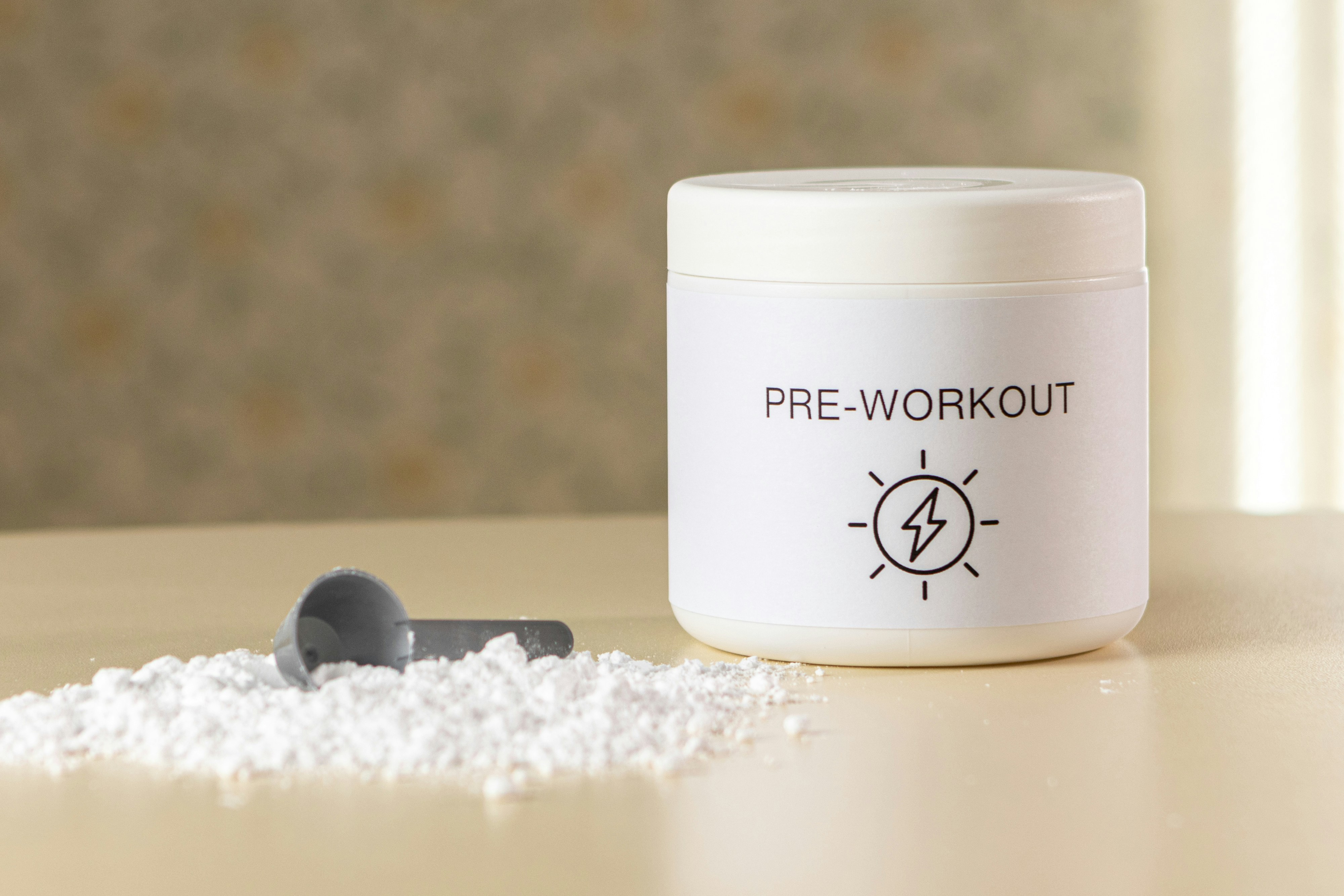
Understanding the Importance of Pre-Workout Nutrition
Pre-workout nutrition is a fundamental aspect of individual performance, especially for those seeking to optimize their energy levels and enhance their overall exercise effectiveness. Proper nutritional strategies prior to physical activity can significantly impact an individual’s ability to perform at their best.
When an individual engages in exercise, the body requires a variety of nutrients to function optimally. Carbohydrates serve as the primary source of energy, allowing the muscles to engage in prolonged activity. Consuming an adequate amount of carbohydrates before a workout helps to maintain blood glucose levels, facilitating sustained energy release. This is essential not only for increasing endurance but also for preventing fatigue, which can hinder performance.
In addition to carbohydrates, proteins play a pivotal role in muscle repair and recovery. Incorporating protein-rich foods into a pre-workout meal can aid in muscle synthesis and repair, ultimately improving recovery post-exercise. This is particularly beneficial for individuals participating in resistance training or high-intensity workouts. Balanced pre-workout nutrition should also include healthy fats, although in smaller quantities, as they can provide a slower-releasing source of energy.
Hydration is another critical element that contributes to pre-workout nutrition. Adequate fluid intake ensures optimal bodily functions and regulates temperature, reducing the risk of dehydration during exercise. Dehydration can lead to diminished performance and longer recovery times. Therefore, it is essential to drink the right amount of fluids leading up to a workout.
In summary, understanding the importance of pre-workout nutrition can lead to enhanced energy levels and improved performance. By consuming a balanced combination of carbohydrates, proteins, and healthy fats while maintaining proper hydration, individuals can better equip their bodies to meet the demands of physical activities, leading to optimal results in their fitness endeavors.
Ideal Foods to Consume Before a Workout
Nutrition plays a crucial role in maximizing workout performance and enhancing energy levels. To optimize pre-workout nutrition, it is essential to consume a balanced meal that incorporates carbohydrates, proteins, and healthy fats. Each macronutrient serves a distinct purpose, contributing to overall exercise effectiveness.
Carbohydrates are fundamental as they provide the primary fuel source for energy during workouts. Foods rich in complex carbohydrates, such as whole grains, oatmeal, brown rice, and sweet potatoes, are excellent choices. These foods break down slowly, ensuring a sustained release of energy. Moreover, simple carbohydrates found in fruits like bananas, apples, and berries can offer a quick energy boost when consumed shortly before a workout.
Protein is equally important, especially for those engaged in strength training or high-intensity workouts. Consuming protein before exercise aids in muscle repair and supports recovery. Lean protein sources like chicken breast, turkey, Greek yogurt, and legumes can be beneficial. Combining protein with carbohydrates can amplify the advantages, ensuring that muscles are well-prepared for the physical demands ahead.
Healthy fats are also a vital component of pre-workout meals. They provide a secondary energy source and help regulate energy levels. Foods such as avocados, nuts, seeds, and olive oil not only offer these benefits but also contribute essential fatty acids that support overall health. It is essential, however, to consume fats in moderation, as they take longer to digest compared to carbohydrates and proteins.
In summary, an effective pre-workout meal should contain a combination of carbohydrates for energy, proteins for muscle support, and healthy fats for sustained energy levels. Examples include oatmeal topped with nuts, a smoothie containing fruit and yogurt, or a rice bowl with grilled chicken and vegetables. Balancing these macronutrients can significantly enhance workout performance and energy levels.
Timing Your Pre-Workout Meal
Proper timing of pre-workout nutrition plays a crucial role in maximizing energy levels and enhancing overall performance during physical activities. The body requires sufficient time to digest food for optimal nutrient absorption and utilization. It is generally recommended to consume a meal containing carbohydrates and protein about 2 to 3 hours prior to a workout. This allows ingredients to be processed effectively and energy levels to be stable during the exercise.
For those who cannot manage a full meal within this timeframe, a smaller snack can serve as a suitable alternative. Eating a snack 30 to 60 minutes before exercising can provide a quick source of energy, especially from carbohydrates to fuel the workout. Ideal choices for these pre-workout snacks may include a banana, a piece of toast with peanut butter, or a yogurt, which can quickly enhance energy levels without feeling too heavy.
It is important to note that individual digestive rates can vary, impacting how soon before a workout one may eat. While some individuals might feel comfortable eating shortly before beginning their session, others may experience discomfort unless they provide a longer digestion window. Therefore, it is crucial for athletes to experiment with different timings to find what works best for their body type and workout intensity.
Moreover, comparing the effect of various timing strategies on workout performance can be greatly beneficial. For instance, consuming a high-carbohydrate meal too close to a workout might lead to a quick spike in energy, followed by a rapid decline. Conversely, overlooking pre-workout nutrition altogether can result in fatigue and reduced performance. By understanding how timing affects absorption and effectiveness, individuals can fine-tune their pre-workout nutrition strategy to ensure optimal outcomes during physical exertion.
Hydration and Its Role in Pre-Workout Preparation
Proper hydration is an essential aspect of pre-workout preparation, significantly influencing overall performance and energy levels. The human body is composed of approximately 60% water, making fluid balance crucial for optimal physiological function. Adequate hydration helps to regulate body temperature, transport nutrients, and prevent fatigue during physical exertion. Athletes and individuals engaging in strenuous workouts must recognize the importance of maintaining sufficient fluid intake prior to exercising.
Dehydration can lead to detrimental effects on physical performance, including decreased strength, endurance, and cognitive function. Common signs of dehydration include excessive thirst, dark-colored urine, dry mouth, fatigue, and dizziness. These symptoms can manifest rapidly, especially in individuals engaged in high-intensity activities or prolonged workouts. Therefore, it is critical to monitor hydration levels regularly and address any signs of fluid deficit.
To optimize hydration, athletes should implement specific strategies before workouts. It is generally recommended to consume water consistently throughout the day before exercising, rather than attempting to hydrate immediately before physical activity. A good practice is to drink at least 16–24 ounces of water two to three hours prior to a workout, which allows for adequate absorption and minimizes the risk of gastrointestinal discomfort.
During prolonged and intense training sessions, incorporating electrolyte-rich beverages can further enhance hydration. These drinks can help replenish lost fluids and electrolytes, particularly sodium and potassium, that are crucial for muscle function. Additionally, establishing a hydration plan tailored to individual needs and environmental conditions can support optimal performance. By prioritizing fluid intake as part of pre-workout preparation, individuals can ensure they are well-equipped to meet the demands of their workouts effectively.