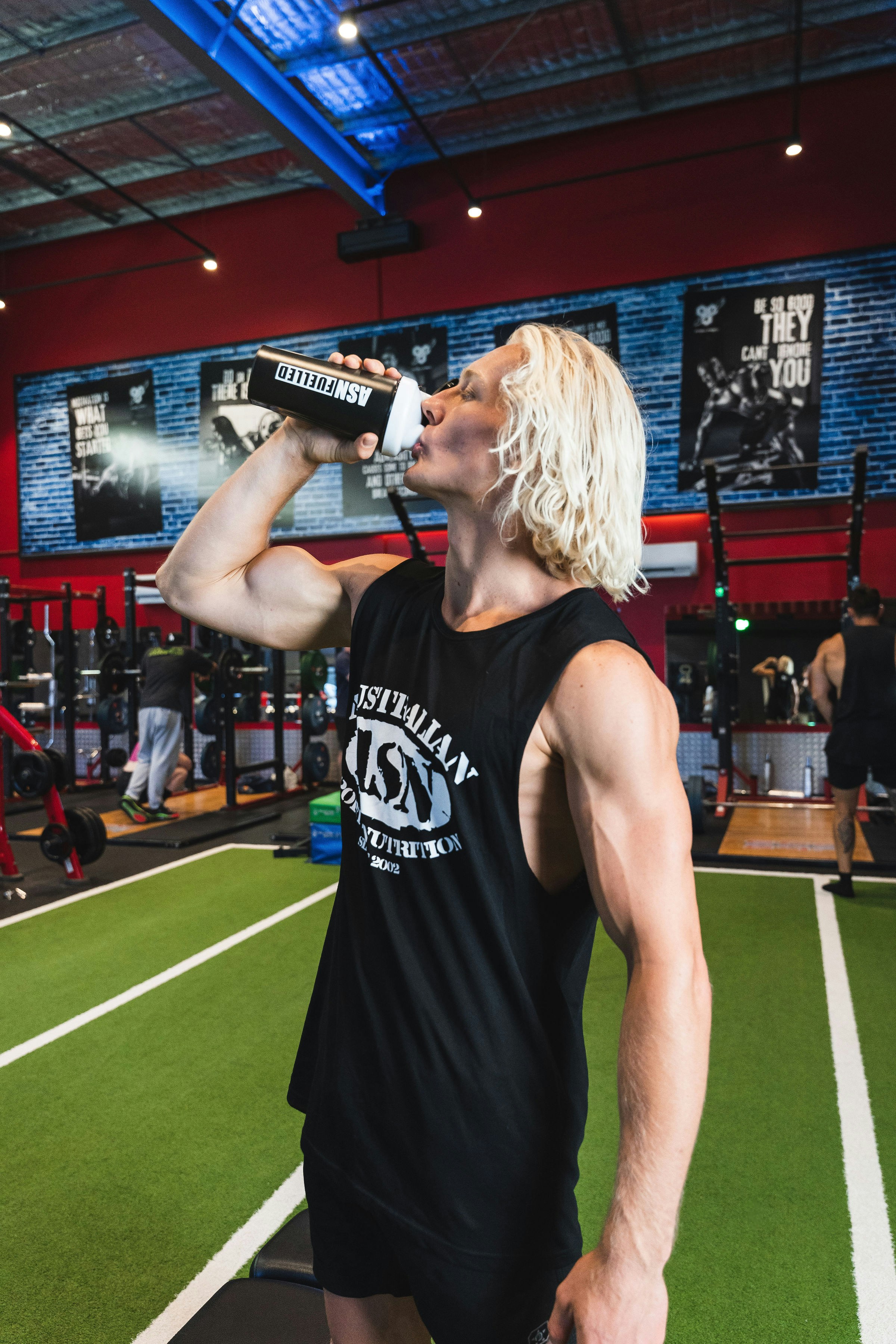
Understanding Post-Workout Recovery
After engaging in physical exercise, the body undergoes a series of physiological processes that are crucial for recovery and overall performance improvement. One of the primary aspects of post-workout recovery is muscle repair, a process initiated by the micro-tears that occur in muscle fibers during intense workouts. These tears are essential for muscle growth and adaptation, as they signal the body to rebuild the muscles stronger than before. This rebuilding phase predominantly relies on the availability of amino acids, which are the building blocks of proteins.
Energy replenishment is another vital component of post-workout recovery. During prolonged or intense exercise, the body depletes its glycogen stores, which are essential for sustaining energy levels. After workouts, it is critical to restore these glycogen reserves to ensure optimal functioning in subsequent training sessions. This restoration can be significantly enhanced by consuming carbohydrates shortly after exercising, as they stimulate insulin secretion, a hormone that facilitates the uptake of glucose into muscle cells.
The timing of nutrition is paramount in the post-workout phase. Consuming the right macronutrients within a specific time frame, often referred to as the “anabolic window,” plays an integral role in optimizing recovery. Research suggests that this window lasts for about 30 to 60 minutes post-exercise, during which the body’s ability to absorb nutrients is heightened. Adequate intake of proteins and carbohydrates during this period can enhance muscle repair, reduce muscle soreness, and minimize overall fatigue. Therefore, understanding the physiological processes related to post-workout recovery aids athletes and fitness enthusiasts in choosing appropriate nutrition strategies, ultimately promoting effective recovery and better performance outcomes.
Key Nutrients for Recovery
Post-workout nutrition plays a crucial role in the recovery process, and understanding the essential nutrients that aid in this process is vital for optimal muscle repair and overall health. The recovery phase after exercise primarily hinges on the intake of carbohydrates, proteins, fats, vitamins, and minerals.
Carbohydrates are fundamental for replenishing glycogen stores depleted during exercise. After an intense workout, muscles require glucose to recover and fuel future physical activities. Consuming carbohydrates within an hour post-workout enhances glycogen synthesis, ensuring that energy levels are restored.
Proteins are equally important in aiding muscle repair and growth. They provide the amino acids necessary for the reconstruction of muscle tissues strained during strenuous physical activity. Experts recommend a protein intake of 15 to 25 grams shortly after exercise to initiate recovery processes effectively, subsequently encouraging muscle protein synthesis.
Fats also contribute significantly to overall health and recovery. Although they are not the primary energy source during high-intensity workouts, healthy fats help reduce inflammation post-exercise and play a role in hormone regulation. Integrating sources of omega-3 fatty acids, such as fish or flaxseeds, can bolster recovery by combating soreness and improving joint function.
Moreover, vitamins and minerals are vital for metabolic processes essential for recovery. Vitamins like B6 and C, as well as minerals such as magnesium and zinc, assist in energy production and immune health. These micronutrients support the physiological functions that ensure effective recovery, improving muscle adaptation and performance quality.
In conclusion, achieving a well-balanced diet rich in these key nutrients—carbohydrates, proteins, healthy fats, vitamins, and minerals—is crucial for promoting recovery after exercise. Each nutrient plays a significant role, and prioritizing them can lead to faster recovery times, enhanced performance, and long-term athletic success.
Best Foods to Consume After a Workout
Post-workout nutrition plays a vital role in muscle recovery and overall performance improvement. Choosing the right foods can significantly influence recovery times and muscle repair. This section highlights a variety of beneficial foods categorized into protein sources, carbohydrate-rich foods, and meals that effectively combine both nutrients.
Protein Sources: Protein is essential for repairing and building muscles after a workout. Foods high in protein help to stimulate muscle protein synthesis. Examples of great protein sources include:
- Chicken breast: A lean meat option that offers high-quality protein.
- Fish: Options such as salmon or tuna are rich in protein and healthy omega-3 fatty acids.
- Greek yogurt: This dairy product is not only high in protein but also provides probiotics for digestive health.
- Eggs: They are a complete protein source, rich in essential amino acids required for muscle repair.
- Plant-based proteins: Foods like lentils, chickpeas, or quinoa are excellent for those on vegetarian or vegan diets.
Carbohydrate-Rich Foods: Carbohydrates are crucial for replenishing glycogen stores depleted during exercise. Incorporating high-quality carbs into your post-workout meal can enhance recovery. Some excellent carbohydrate-rich options include:
- Sweet potatoes: A nutritious, complex carbohydrate source that also provides vitamins and minerals.
- Oats: A versatile food that can be easily prepared and offers long-lasting energy.
- Fruits: Bananas and berries are perfect post-workout snacks, providing quick energy and antioxidants.
- Whole-grain bread: Ideal for making sandwiches or toast, offering both fiber and energy.
Combination Meals: Meals that combine both protein and carbohydrates can maximize recovery. Examples include:
- Chicken and quinoa bowl: A balanced meal option that provides both protein and complex carbohydrates.
- Protein smoothie: Blending protein powder with fruits and spinach can create a nutritious post-workout drink.
- Tuna salad on whole-grain bread: A satisfying meal that combines essential nutrients for recovery.
By incorporating these foods into your post-workout nutrition strategy, you can aid recovery and improve your overall performance.
Hydration Strategies Post-Workout
Hydration plays a critical role in post-workout recovery, influencing physical performance, muscle repair, and overall well-being. After an intense workout, the body loses significant fluids and electrolytes through sweat, which can lead to dehydration if not replenished adequately. Understanding the importance of hydrating is vital for anyone looking to optimize their recovery.
Signs of dehydration can manifest in various forms, including increased thirst, dry mouth, fatigue, and decreased performance during subsequent workouts. More severe symptoms may involve dizziness, headaches, and muscle cramps. Therefore, recognizing these signs is essential to ensure that proper hydration is maintained after physical exercise.
Post-workout, it is crucial to consume fluids that effectively rehydrate the body. Water remains the best choice for most individuals, as it replenishes lost fluids without unnecessary calories or sugars. However, for longer or more intense workouts where electrolytes are lost along with water, other drinks may be beneficial. Sports drinks often contain electrolytes, such as sodium and potassium, which can help restore balance and enhance recovery for athletes engaging in prolonged exertion. Additionally, coconut water, known for its natural electrolyte content, serves as an excellent alternative for rehydration while providing nutrients that support recovery.
Incorporating hydration strategies into a post-workout routine can vastly improve recovery times and overall performance. Drinking fluids consistently from the end of a workout and throughout the day helps the body recover faster and more efficiently. Thus, making hydration a key component of any recovery strategy will ensure that workouts lead to optimal outcomes, both in terms of physical health and performance readiness for future training sessions.