Understanding Strength Training for Women
Strength training is a vital component of fitness that can significantly benefit women. Although often overshadowed by cardiovascular exercises, strength training offers unique advantages that cater to women’s physiological makeup. Understanding the fundamentals of this form of training is essential to reap its benefits fully.
One of the key distinctions between men and women is their body composition, particularly in terms of muscle mass and fat distribution. Women generally have a higher percentage of body fat and lower muscle mass than men, primarily due to hormonal differences. However, this does not imply that women are inherently less capable of developing strength. In fact, strength training can result in improved muscle tone and increased lean muscle mass, leading to a more sculpted physique.
Moreover, as women engage in strength training, they can boost their metabolism. The process of building muscle requires more energy, thereby increasing the number of calories burned at rest. This metabolic enhancement can aid in weight management and contribute to a healthier body composition. Additionally, strength training is often associated with reducing the risk of chronic diseases such as osteoporosis, heart disease, and diabetes, making it an essential workout segment for women.
The benefits of strength training extend beyond physical changes. Many women report improvements in mental health, experiencing increased confidence and empowerment through their lifting journey. The act of lifting weights can foster resilience, discipline, and a sense of community among those involved in weightlifting, further enhancing the overall fitness experience.
In conclusion, strength training is not only suitable for women but is also highly beneficial in multiple aspects, such as health, fitness, and emotional well-being. Understanding the unique physiological factors at play can help women embrace strength training as a fundamental aspect of their fitness journey.
Common Myths Surrounding Women and Weightlifting
Weightlifting is a powerful tool for empowering women and promoting physical strength, yet it is often surrounded by a web of misconceptions. One common myth is the belief that women who lift heavy weights will become overly muscular, resembling male bodybuilders. This perception can be attributed to the misunderstanding of how muscle growth works in women, primarily due to hormonal differences. Women naturally have lower testosterone levels than men, which makes it more challenging for them to gain significant muscle mass. Instead, women who engage in heavy weightlifting often develop a toned and fit physique, enhancing their overall body composition and strength.
Another prevalent belief is that women should avoid heavy lifting to prevent injury. In reality, when performed correctly under proper guidance, heavy weightlifting can bolster joint stability and increase bone density, significantly reducing the risk of injury. Research has consistently shown that strength training is not only safe for women but is also beneficial for their long-term health. For instance, a study published in the Journal of Bone and Mineral Research highlights that women who lift weights regularly experience higher bone density, which is crucial for preventing osteoporosis later in life.
Additionally, some may argue that weightlifting can negatively impact femininity and lead to a loss of traditional feminine traits. This myth deters many women from pursuing weightlifting as a form of exercise. However, numerous athletes and fitness enthusiasts have debunked this notion by showcasing how strength training can enhance femininity rather than diminish it. Testimonials from women in various weightlifting communities reveal a newfound sense of confidence and empowerment through their training. These stories illustrate that embracing strength through weightlifting enables women to express their individuality, fostering a positive self-image while defying stereotypes.
Building a Safe and Effective Weightlifting Routine
Designing a safe and effective weightlifting routine is essential for women who seek to enhance their strength and overall fitness. To begin, it is crucial to select the right equipment. For beginners, starting with basic dumbbells or resistance bands can be beneficial. These tools allow for gradual progression while ensuring that form is maintained. As strength develops, women may choose to incorporate heavier weights or gym machines, which provide stability and control.
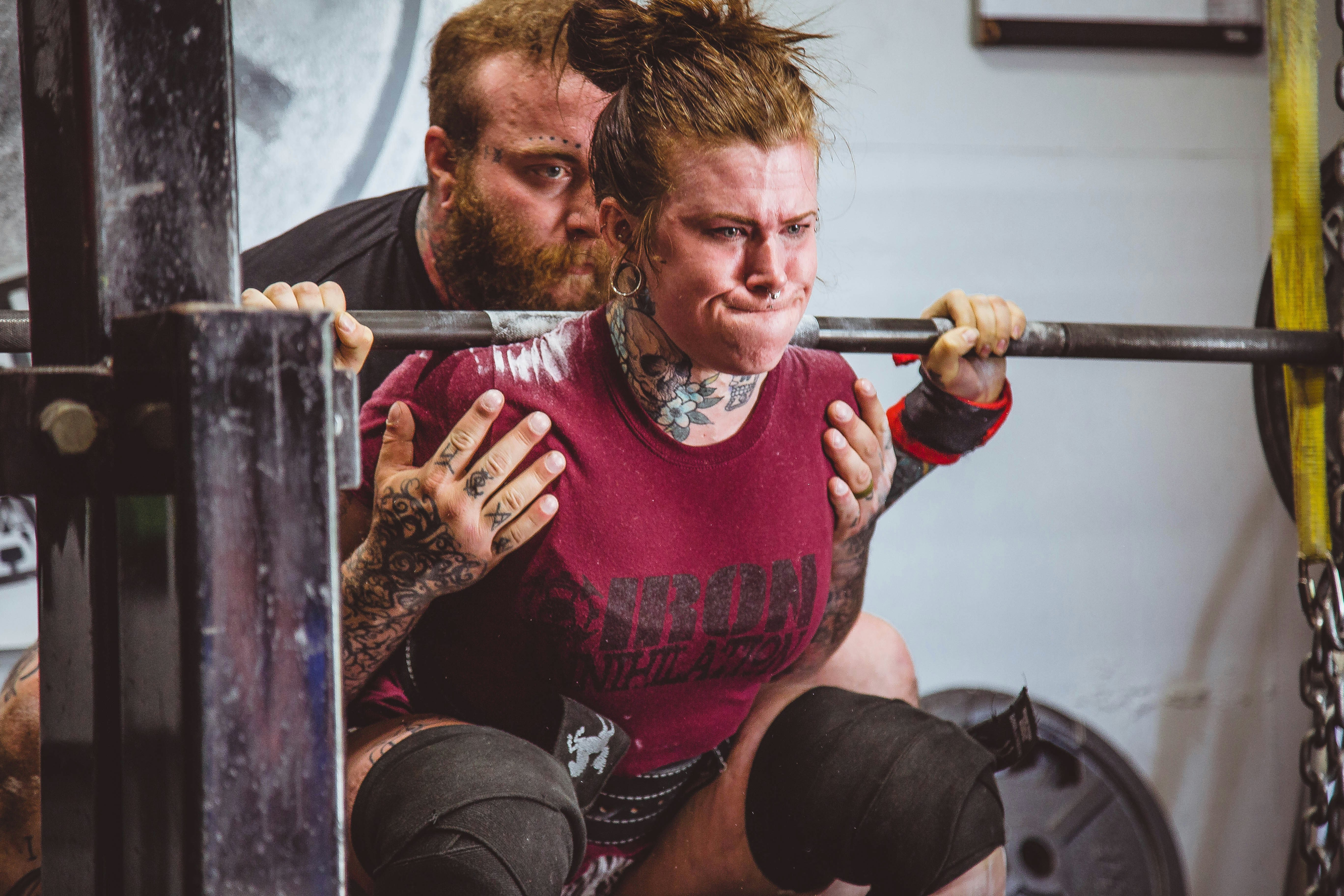
Proper form is the cornerstone of any weightlifting regimen. Understanding and implementing correct techniques can prevent injuries and maximize the effectiveness of workouts. Women can benefit from working with a qualified trainer or utilizing instructional videos to learn the essential lifts, such as squats, deadlifts, and bench presses. It is recommended to start with lighter weights to practice these movements, ensuring that alignment and posture are correct during each lift.
Progression strategies are vital for continuous improvement. A sound plan may include gradually increasing the weight lifted, the number of repetitions, or the overall volume of the workout. Women should aim to challenge themselves while listening to their bodies to avoid overexertion. Additionally, incorporating variations in exercises can stimulate different muscle groups, leading to balanced strength development.
It is also important to balance strength training with cardiovascular fitness and flexibility. Women should allocate time for activities such as running, cycling, or swimming, which enhance heart health and stamina. Flexibility exercises, including yoga or dynamic stretches, can prevent injury and aid in recovery. By integrating these elements into a weightlifting routine, women can foster a well-rounded approach to fitness that promotes strength, flexibility, and endurance.
Success Stories and the Growing Community of Women Lifters
The world of heavy weightlifting has increasingly become a welcoming space for women, leading to numerous inspiring stories of transformation and empowerment. Many women have embraced the strength training journey, not only enhancing their physical capabilities but also significantly improving their mental health and overall well-being. These success stories serve as a testament to the positive changes that can arise from taking on the challenge of heavy weightlifting.
One such story features a young athlete named Sarah, who, after years of struggling with body image issues, discovered weightlifting as a method to build both physical strength and self-confidence. Through consistent training, she reported feeling more empowered and capable than ever. Sarah started in a small gym community where she found encouragement and support from fellow female lifters. This camaraderie has been instrumental in her progress, emphasizing the importance of community in the pursuit of fitness goals.
Another inspiring account comes from Maria, a single mother who shared how heavy weightlifting transformed her life. Initially seeking weight loss, she found solace and strength in lifting weights. Maria joined a local women’s powerlifting club, which provided not only valuable resources and guidance but also friendships that made her journey more enjoyable. Such clubs are essential in fostering a supportive atmosphere for women looking to excel in strength training.
Across the globe, various events and competitions focus specifically on women in lifting, promoting inclusivity and encouragement. From local meets to national competitions, these events showcase the remarkable talents and resilience of female athletes. Organizations dedicated to women’s strength training also offer workshops and seminars, further expanding the network and resources available to women pursuing this sport.
As the community of women lifters continues to grow, so does the impact of their stories. By sharing these narratives, it becomes clear that heavy weightlifting is more than just a physical activity; it is a catalyst for change, a means of empowerment, and a pathway to building lifelong friendships and support systems.