Understanding the Importance of Hydration
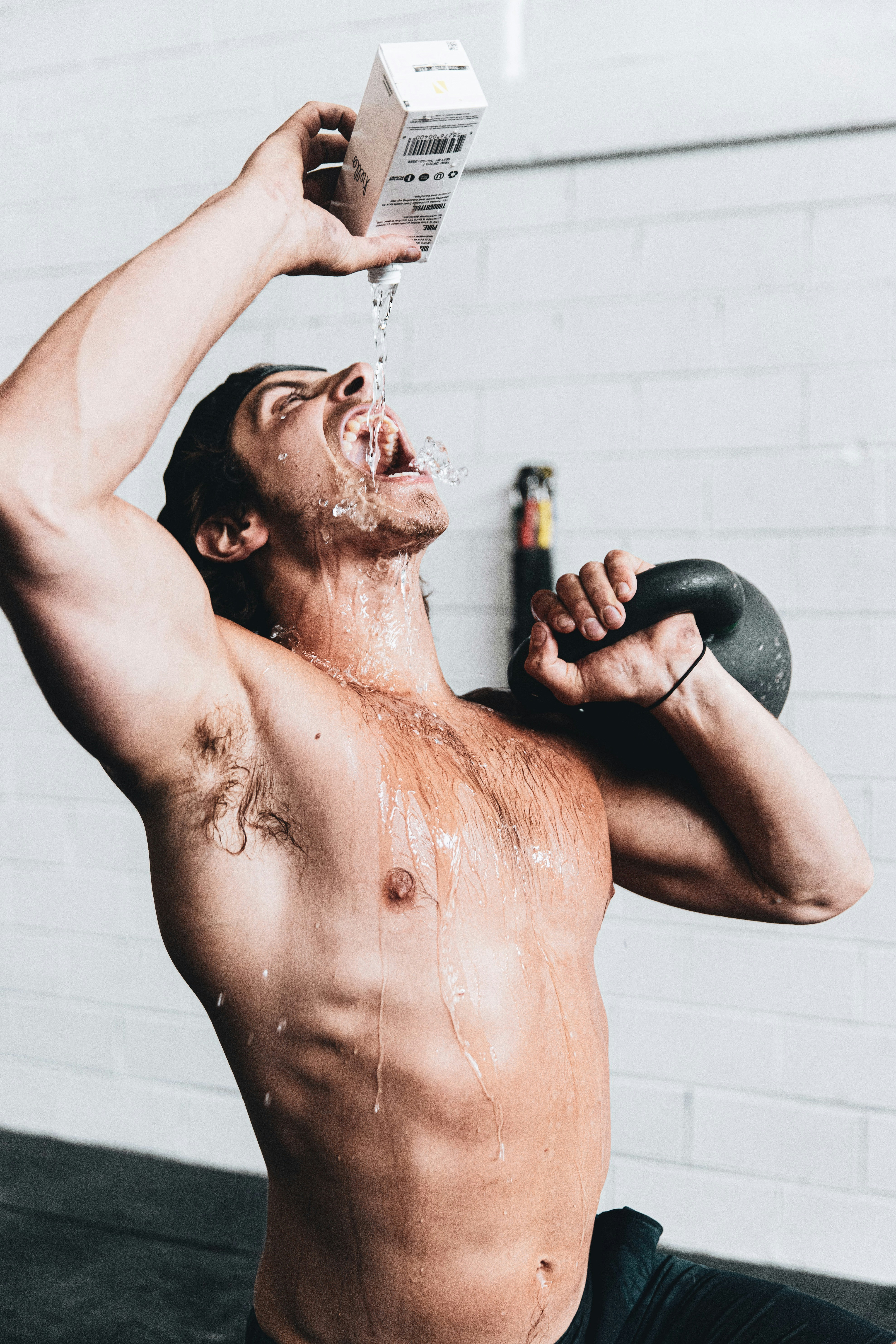
Hydration is a critical component of maintaining overall health, especially during physical activity. Water plays a vital role in numerous physiological processes including temperature regulation, nutrient transport, and waste elimination. During exercise, the body loses water primarily through sweat and respiration, which can lead to dehydration if not replenished adequately.
Inadequate hydration can significantly impair performance. Studies show that even a 2% loss in body weight due to fluid loss can lead to decreased endurance, increased fatigue, and reduced strength. This means that maintaining optimal hydration levels is essential not only for peak physical performance but also for preventing lingering effects such as muscle cramps and heat exhaustion.
Moreover, hydration impacts mental performance as well. Dehydration can lead to a decrease in concentration and increase feelings of fatigue and lethargy, adversely affecting an individual’s motivation and ability to perform at their best. This dual impact on both bodily and mental functions emphasizes that proper hydration is not just about drinking water but also about understanding how it supports overall athletic performance.
Neglecting to stay hydrated during workouts can have serious long-term consequences. Symptoms of dehydration can escalate from feelings of dizziness and headaches to more severe issues, including kidney damage and heat-related illnesses. Therefore, it is crucial for individuals engaging in regular physical activity to develop effective hydration strategies to support their health and enhance their performance.
Factors Influencing Water Needs
Understanding the various factors that influence water needs during exercise is crucial for optimizing hydration strategies. These factors can significantly vary from one individual to another, and recognizing them can enhance performance and overall well-being during workouts.
One of the primary factors affecting hydration requirements is the type of exercise being performed. Endurance sports, such as running or cycling, typically result in greater fluid loss due to prolonged physical exertion. In contrast, resistance training may not cause the same level of sweating, leading to reduced water loss. Therefore, athletes engaged in different activities need to tailor their hydration strategies to suit their specific exercise type.
Moreover, the duration and intensity of the workout play a critical role in determining water needs. Longer and more intense exercises tend to increase sweat production and, consequently, the requirement for fluid intake. The American College of Sports Medicine recommends that athletes drink fluids before, during, and after prolonged or intense exercise to prevent dehydration.
The environmental conditions during physical activity also impact hydration needs. High temperatures and humidity levels can exacerbate fluid loss through sweat, necessitating higher water intake. Similarly, exercising at high altitudes can lead to increased urination and fluid loss, thereby requiring individuals to adjust their hydration accordingly.
Furthermore, personal factors such as an individual’s sweat rate significantly influence hydration strategies. Some people naturally sweat more than others, and this can alter the amount of fluid they need to replace during exercise. Individual health considerations, including any medical conditions or medications that affect hydration status, should also be taken into account. Therefore, awareness of these factors will help individuals create effective hydration strategies that support their unique needs during workouts.
Recommended Water Intake Guidelines
Hydration is a crucial component of athletic performance, influencing both physical capabilities and recovery. The guidelines for optimal water intake during workouts can vary widely based on several factors including the type, intensity, and duration of the exercise, as well as individual characteristics like body weight and acclimatization to heat.
Before starting a workout, individuals should aim to consume approximately 16 to 20 ounces (about 500 to 600 ml) of water at least two hours prior to exercise. This pre-hydration can help ensure adequate fluid levels and improve subsequent performance. For those engaged in longer, more intense workouts, consuming an additional 8 to 10 ounces (around 250 to 300 ml) about 20 to 30 minutes before exercise can further optimize hydration.
During workouts, especially those lasting longer than 60 minutes, regular fluid intake is essential. Athletes are encouraged to drink 7 to 10 ounces (200 to 300 ml) every 10 to 20 minutes. This can be adjusted based on sweat loss, environment, and exercise intensity. For endurance activities exceeding 90 minutes, considering electrolyte-replenishing beverages may also enhance hydration strategies.
Post-exercise hydration is just as important, as it aids recovery and restores fluid levels lost during physical activity. A general guideline suggests consuming 16 to 24 ounces (500 to 750 ml) of fluid for every pound (0.5 kg) lost during exercise. This can be assessed by weighing oneself before and after workouts, providing a tangible measurement of fluid loss.
In addition to these recommendations, personal hydration needs may vary; thus, it is advisable for individuals to monitor their urine color to gauge hydration levels. Light yellow typically indicates adequate hydration, while darker colors suggest a need for increased fluid intake. Adapting these fluid guidelines to individual circumstances will help maximize both performance and recovery.
Signs of Dehydration and Rehydration Strategies
During exercise, recognizing the signs of dehydration is critical for maintaining optimal performance and overall health. One of the first and most noticeable signs is thirst. When the body becomes dehydrated, it sends signals indicating that it requires fluid intake. Moreover, decreased performance is a signal that should not be ignored; athletes may find themselves feeling fatigued, weak, or unable to sustain their usual intensity. Other physical symptoms can include dry mouth, dizziness, and an increase in body temperature, all of which indicate that the body is struggling to maintain hydration levels.
To combat dehydration effectively, a variety of rehydration strategies can be employed. Firstly, the most straightforward approach is to drink fluids. Water should be the primary source of hydration; however, in instances of prolonged or intense exercise, it is beneficial to consume electrolyte drinks that help restore lost minerals. These beverages contain essential electrolytes such as sodium and potassium, which are critical for muscle function and fluid balance.
Timing also plays a significant role in effective rehydration. Consuming fluids during workouts is essential, particularly when engaging in activities that last longer than an hour. It is recommended to take small sips rather than large quantities to aid absorption and minimize stomach discomfort. Post-exercise rehydration is equally important; athletes should aim to replenish fluids within 30 minutes after completing their workout. This is when the body is most receptive to rehydration, allowing for quicker recovery and preparation for future physical activity. Including a combination of water and electrolyte-rich drinks will optimize recovery and help regulate fluid levels following intense training sessions.